Rest Days Matter for Marines
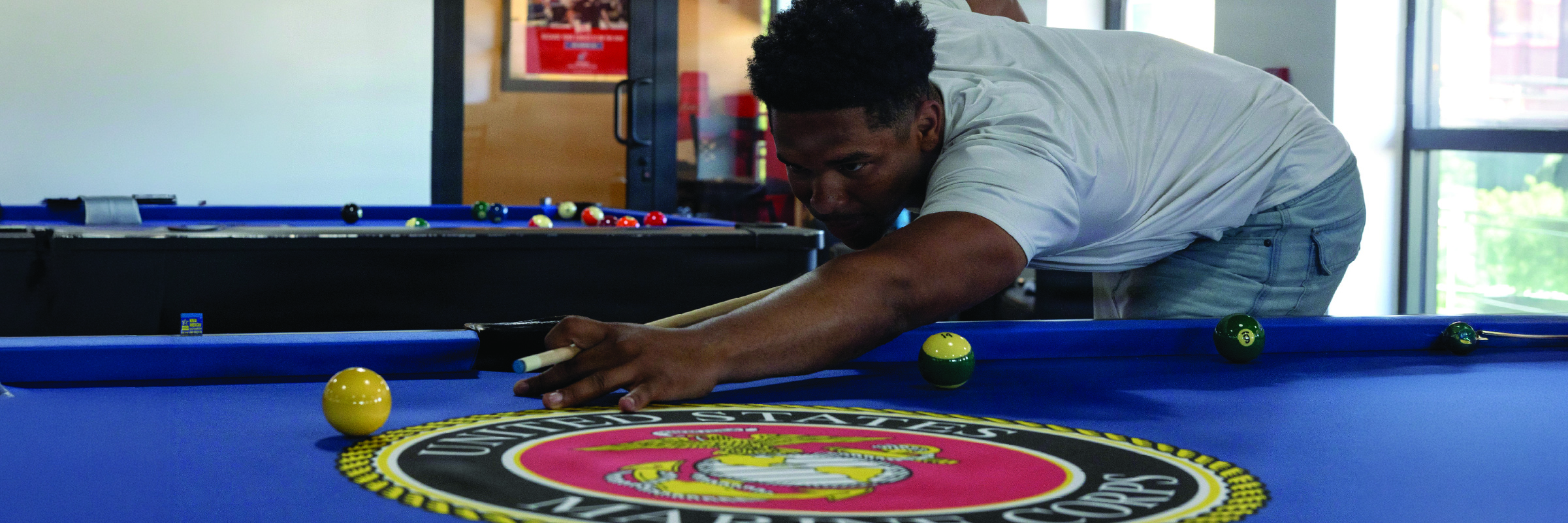
High-intensity training is essential to Marine Corps readiness, but peak performance isn't built during the workout alone. Recovery is where the body repairs, adapts, and grows stronger. Whether you're preparing for a fitness assessment, recovering from a demanding training cycle, or maintaining long-term health, taking time to recover is just as important as the work you put in.
Skipping rest days can slow muscle recovery, increase stress, and raise the risk of overuse injuries that affect both performance and readiness. Making recovery part of your routine helps build the physical and mental resilience needed to perform at your best.
Why Rest Days Are Essential
Exercise places stress on the body by creating microscopic tears in muscle fibers. During recovery, the body repairs those fibers, making them stronger and better prepared for future physical demands.
Without adequate recovery, the body remains under continuous stress. Over time, this can lead to:
- Increased risk of overuse injuries.
- Persistent fatigue and muscle soreness.
- Reduced strength and endurance.
- Poor sleep quality.
- Difficulty concentrating and making decisions.
- Recovery supports more than physical performance—it also contributes to mental fitness by helping reduce stress and improve focus.
Active Recovery vs. Complete Rest
Rest days don't always mean doing nothing. In many cases, light movement helps improve circulation, reduce muscle stiffness, and support the recovery process.
Consider adding these activities to your recovery days:
- Mobility exercises: Foam rolling or dynamic stretching can improve flexibility and restore joint mobility.
- Low-impact cardio: Walking, swimming, or an easy bike ride helps increase blood flow without placing additional stress on the body.
- Quality sleep: Aim for consistent, restorative sleep to support muscle repair and overall wellness.
- Stress management: Activities such as spending time with family, practicing mindfulness, or enjoying a favorite hobby can help reset both the mind and body.
The goal is to recover intentionally so you're prepared for your next training session.
Recovery Supports Marine Corps Total Fitness
Recovery is more than a physical training strategy—it is an important part of Marine Corps Total Fitness. Taking time to recover helps strengthen physical fitness, supports mental resilience, and reduces the cumulative effects of stress that can impact overall readiness.
Healthy recovery habits also benefit military families. Prioritizing sleep, physical activity, and stress management together creates routines that promote resilience, improve well-being, and support a healthier home environment.
Build Recovery Into Your Routine
Recovery is not a sign of weakness—it's an investment in long-term performance. By making rest days part of your training plan, you can reduce injury risk, improve physical performance, and build the resilience needed to stay mission ready.
Ready to strengthen your recovery strategy? Connect with your local WARR-Semper Fit team to learn more about fitness programming, recovery techniques, sleep education, and nutrition resources that support Marine Corps Total Fitness and long-term readiness.
Rest days matter for Marine spouses too! Check out these articles for more resources and information:
Spouses Benefit from Self‑Care While Marines Are Deployed
Navigating Stress as a Team: Tools for Couples & Families